Mbube: The Lion Sleeps Tonight’s Forgotten Origin
Quick Facts
🦁 Solomon Linda & Mbube — Timeline (Infographic)
This timeline traces how a song born in South Africa became a global anthem—and a legal battleground for recognition.
- 1909 — Birth 👶: Solomon Linda is born in Pomeroy, Natal, South Africa.
- 1930s — Move to Johannesburg 🌍: Works as a record packer at Gallo Record Company.
- 1939 — Recording 🎙️: Records Mbube with The Evening Birds; song becomes a local hit.
- 1940s — Success 💿: Mbube sells over 100,000 copies, inspiring a new choral genre of the same name.
- 1952 — Wimoweh 🎶: Pete Seeger and The Weavers adapt the song into “Wimoweh” for American audiences.
- 1961 — The Lion Sleeps Tonight 🦁: The Tokens release their pop version; it tops the Billboard charts.
- 1962 — Passing ⚰️: Linda dies in poverty, leaving his family without royalties.
- 1994 — Disney 🎬: The Lion Sleeps Tonight appears in The Lion King, reaching new generations worldwide.
- 2000s — Legal Fight ⚖️: Linda’s heirs sue Disney for unpaid royalties.
- 2006 — Settlement 💰: Confidential settlement secures financial compensation for his descendants.
- Today 🌟: Linda is celebrated as a pioneer of African music; his story is taught as a case study in cultural rights.
🦁 Introduction: Mbube, The Lion Sleeps Tonight
Few songs in the world have the instant recognition of The Lion Sleeps Tonight. Its high falsetto line and lilting harmonies are known to millions, in part thanks to Disney’s The Lion King. Yet the roots of this beloved tune are not American or Disney-born, but African. Long before it became a pop sensation or a soundtrack hit, it began as a Zulu song called Mbube.
The phrase Mbube means “lion” in Zulu, and the original 1939 recording by South African musician Solomon Linda captured the raw power of Zulu choral singing. Over decades, this song morphed into new versions, first as Wimoweh and later as The Lion Sleeps Tonight. Each adaptation brought fame and fortune to performers and publishers, but Solomon Linda himself died in poverty, and his family remained marginalized as the world profited from his work.
The story of Mbube: The Lion Sleeps Tonight is not just about music; it is about injustice, cultural appropriation, and the long road to recognition. It highlights how global industries often exploited African creators while celebrating their art. At the same time, it shows how one haunting melody survived, adapted, and reached audiences worldwide. By tracing its journey from a Johannesburg studio to Hollywood’s global empire, we uncover both the triumph of music and the tragedy of neglect.
🎶 The Birth of Mbube
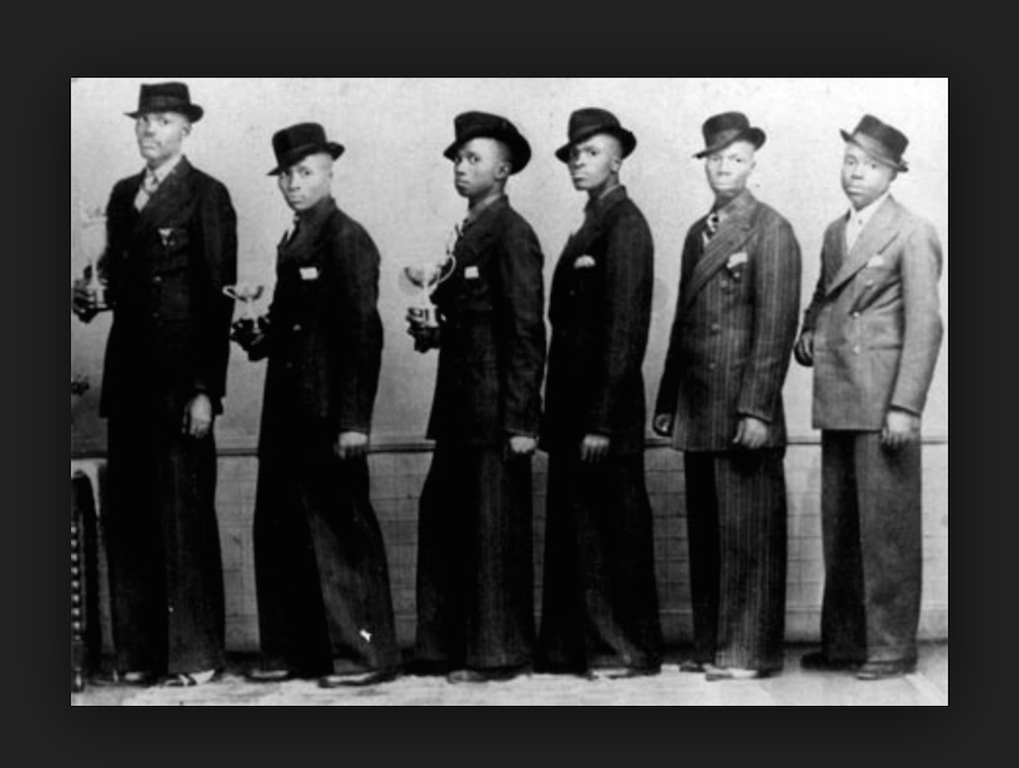
Solomon Linda was a migrant worker from Zululand who, like many men of his time, moved to Johannesburg in search of opportunity. By day he worked menial jobs, including packing records at a music company. By night, he poured his heart into music with his group, The Evening Birds. Their sound was unique — rich harmonies, layered voices, and a blend of traditional Zulu styles with modern influences.
In 1939, they recorded a song that would become legendary: Mbube. In Zulu, mbube means “lion,” and the song carried a sense of power and pride. With Linda’s striking falsetto soaring above deep choral backing, the track resonated strongly with African audiences. It sold tens of thousands of copies in South Africa, an extraordinary achievement for the time.
What Linda could not have known was how far Mbube would travel. By selling the rights for just a few shillings, he effectively gave away control of his creation. This was not unusual in South Africa under colonial rule, where Black musicians were rarely compensated fairly. Still, the song planted a seed. Its title gave birth to a whole new choral genre, also called mbube, which eventually influenced international icons like Ladysmith Black Mambazo.
Though successful in his own community, Linda received no financial security. His song’s destiny would soon be shaped by others who carried it abroad, transforming it into something unrecognizable — yet unmistakably linked to that 1939 recording.
🌍 From Mbube to Wimoweh
In the early 1950s, American folklorists exploring African records stumbled across Linda’s Mbube. A copy made its way to Pete Seeger, leader of the folk group The Weavers. Fascinated by its hypnotic rhythm and soaring refrain, Seeger adapted it for American audiences. But he misunderstood the Zulu chant “uyimbube,” which means “you are a lion.” Instead, he sang what he thought he heard: Wimoweh.
The Weavers recorded Wimoweh in 1952, introducing the song to a completely new audience. It quickly became popular in the U.S. folk scene, performed in coffeehouses, concerts, and on radio shows. Its exotic-sounding chant, driving rhythm, and layered harmonies captivated listeners, even if few understood its origins.
For Seeger, Wimoweh was one of many international folk songs he popularized, but for Solomon Linda, this adaptation marked the first time his song left South Africa. Unfortunately, Linda received no royalties, no credit, and no recognition. The misheard title erased its Zulu roots, while Western publishers began profiting from sales and performances.
Seeger later admitted regret, acknowledging that he had not ensured Linda’s rights were protected. But the damage was done. Wimoweh became a staple of the American folk revival, setting the stage for an even bigger transformation. The melody that began in Johannesburg was now firmly embedded in Western popular culture — though far from the hands of its rightful owner.
🎤 The Lion Sleeps Tonight
By the 1960s, Wimoweh had caught the attention of mainstream producers. In 1961, The Tokens, a doo-wop group from Brooklyn, recorded a new version titled The Lion Sleeps Tonight. This time, producers added English lyrics and the now-iconic falsetto line, creating a pop masterpiece. The single soared to No. 1 on the Billboard Hot 100 and became an international sensation.
This version solidified the melody as a global hit. It appeared in movies, commercials, and television, covered by countless artists across decades. Yet again, the people profiting were not the originators. Music publishers earned millions, while Solomon Linda’s name faded further into obscurity.
What made The Lion Sleeps Tonight stand out was its universality. The lyrics spoke of peace and safety — a sleeping lion symbolizing calm. Paired with the upbeat rhythm and layered harmonies, it was irresistible to audiences worldwide. But beneath the joyful sound lay a hidden injustice.
By this point, Linda had passed away in 1962, unaware of the fortune his song had generated. His family lived in poverty in Soweto, struggling to reconcile the fame of their father’s work with their financial reality. For them, The Lion Sleeps Tonight was both a blessing and a curse: a reminder of his genius, and a symbol of how the world had taken without giving back.
🎬 Disney’s Use in The Lion King
In 1994, Disney released The Lion King, an animated feature that became one of the most successful films in history. Among its many memorable songs, audiences delighted in the playful sequence where Timon and Pumbaa sang The Lion Sleeps Tonight. For millions of children worldwide, this was their introduction to the song.
The soundtrack became a cultural juggernaut, selling over 14 million copies and spawning Broadway adaptations, live tours, and theme park performances. Disney’s empire grew, and with it, so did the global presence of The Lion Sleeps Tonight.
Yet, even in this moment of triumph, the injustice lingered. While Disney profited enormously, the Linda family remained in financial hardship. The song’s presence in The Lion King reinforced its place in global culture, but it also highlighted the stark contrast between corporate wealth and the neglected heirs of the original creator.
By the mid-1990s, journalists and activists began drawing attention to the story of Mbube and its transformation. Documentaries and articles questioned how Disney could use a song rooted in African tradition without compensating the family of its creator. The seeds of a legal battle were sown, and soon, the world would learn the full extent of the exploitation.
⚖️ The Fight for Rights and Reparations
The Linda family’s legal fight began in the early 2000s, when South African lawyer Owen Dean took on their case. The lawsuit targeted Disney and the publishers who had profited from The Lion Sleeps Tonight, arguing that Solomon Linda’s heirs deserved royalties and recognition.
The case captured international attention. It was not just about money — it was about the moral question of cultural appropriation and whether global corporations had the right to exploit African music without compensation. The Linda family lived in poverty, while Disney and others had earned millions.
In 2006, after years of negotiation, a settlement was reached. Though the exact terms were confidential, reports confirmed that the family would receive royalties from the song going forward. The decision was hailed as a landmark victory for African artists, even if it came decades too late for Solomon Linda himself.
The case set an important precedent. It forced global industries to confront how they used traditional music and highlighted the need for fair treatment of artists from marginalized communities. For the Linda family, it was bittersweet. They had achieved recognition and some justice, but the decades of struggle and hardship could not be undone.
🌟 The Legacy of Mbube
Today, the story of Mbube: The Lion Sleeps Tonight is recognized as both a cautionary tale and a triumph. On one hand, it illustrates how colonial systems and global industries exploited African creators. On the other, it shows the resilience of music — how one melody could travel the world, inspire generations, and eventually bring justice.
Solomon Linda is now acknowledged as the rightful creator of Mbube, and his contribution is celebrated in South African history. The genre that grew from his song influenced countless musicians, including Ladysmith Black Mambazo, who carried Zulu harmonies to global stages.
The tale has also become a symbol in debates about intellectual property, copyright, and cultural heritage. Universities teach it, filmmakers document it, and activists cite it when fighting for fairer treatment of artists.
Most importantly, the story ensures that Linda’s name will never be forgotten. While he may not have lived to see the recognition, his voice echoes every time The Lion Sleeps Tonight is played. It is both a joyful anthem and a reminder of a long journey from injustice to acknowledgment.
🎵 Musicians Exploited Like Solomon Linda
Solomon Linda’s struggles over Mbube are not unique. Many legendary musicians have faced similar issues with lost rights, unfair contracts, or lack of royalties while others profited from their art.
- Willie Dixon (blues songwriter) 🎸 — One of the most influential blues writers, Dixon’s songs were recorded by Led Zeppelin and others without proper credit. He later won landmark lawsuits restoring royalties and recognition.
- Sister Rosetta Tharpe (gospel pioneer) 🎤 — A foundational figure in rock and roll, her contributions were minimized for decades. Many of her recordings were under-credited, though today she’s celebrated as “The Godmother of Rock and Roll.”
- Robert Johnson (Delta blues icon) 🎶 — Died in 1938 without copyright protection for his songs. His music later fueled rock legends like Eric Clapton and The Rolling Stones, but royalties went to publishers instead of his descendants.
- Chuck Berry (rock and roll pioneer) 🎸 — Although famous, Berry lost publishing rights early on and had to fight to regain credit and royalties for hits that shaped rock music worldwide.
- Fela Kuti (Afrobeat innovator) 🥁 — Faced systemic exploitation and political suppression in Nigeria. Though celebrated globally, many of his recordings and performances were mishandled by international labels with little return to his estate.
Note: These cases highlight an ongoing issue in the music industry: the struggle for artists—especially from marginalized communities—to retain ownership and receive fair compensation for their work.
📘 Solomon Linda & Mbube: Biography of a Song and Its Creator
Solomon Popoli Linda, born in 1909 in Pomeroy, Natal, South Africa, lived a humble life that would leave an extraordinary cultural legacy. He came from a Zulu family in a rural area, where music and oral storytelling shaped the rhythms of daily life. Like many men of his generation, Linda eventually moved to Johannesburg to seek work. By the late 1930s, he was employed at the Gallo Record Company as a record packer. It was here that his unique voice and songwriting talent found the opportunity to be preserved.
In 1939, Linda entered a recording studio with his group, The Evening Birds. They recorded a song that would resonate across continents: Mbube, which means “lion” in Zulu. The track featured a rich choral harmony with Linda’s soaring falsetto cutting through the deep bass voices. At its heart was the refrain uyimbube, meaning “you are a lion.” The single sold tens of thousands of copies in South Africa, making it one of the first big hits of African popular music. The success of the song even gave birth to a new musical genre also called mbube, which paved the way for the later development of isicathamiya, popularized by groups like Ladysmith Black Mambazo.
Despite this early success, Linda sold the rights to the song for just a few shillings—an amount that reflected the exploitative system in which Black South African musicians lived. Colonial-era music companies rarely offered fair contracts, and Linda, with little formal education and no legal protection, had no way of foreseeing how valuable his creation would become. This decision meant that as Mbube spread far beyond South Africa, he and his family would receive virtually no royalties.
In the early 1950s, a copy of Mbube made its way overseas, where American folk musician Pete Seeger encountered it. Seeger, enchanted by the sound but unfamiliar with the Zulu language, misinterpreted the chant uyimbube as “Wimoweh.” He and his group, The Weavers, recorded the song under this new title in 1952, and it quickly became a staple of the American folk revival. Though Seeger later expressed regret for not securing Linda’s credit and royalties, the damage was done. The name “Wimoweh” stuck, and Linda’s role in the song’s creation began to fade from public memory.
The melody took yet another leap in 1961, when the American doo-wop group The Tokens reworked “Wimoweh” into The Lion Sleeps Tonight. With added English lyrics and soaring falsetto lines, the song climbed to the top of the Billboard charts and became a global sensation. For decades afterward, it was performed, recorded, and licensed countless times, from TV commercials to stage productions. When Disney used The Lion Sleeps Tonight in its 1994 film The Lion King, it was introduced to yet another generation, cementing its place as one of the most recognizable tunes in history.
But for Solomon Linda, the story was tragically different. He died in 1962 of kidney failure, just a year after The Tokens’ version reached No. 1 in the United States. He left behind a widow and several children, who lived in poverty in Soweto while his song generated millions in profits for publishers and corporations. The contrast between the global success of The Lion Sleeps Tonight and the Linda family’s hardship became one of the most infamous examples of cultural appropriation in modern music history.
In the early 2000s, Linda’s descendants filed a lawsuit against Disney in South Africa, arguing that the company had profited unfairly from the use of his song in The Lion King. The case drew international attention, sparking debates about intellectual property rights and the exploitation of African musicians. In 2006, the case was settled, and the Linda family was granted future royalties, though the specific terms remained confidential. While the settlement could never undo decades of neglect, it represented an important step in acknowledging Linda’s contribution and securing some financial justice for his heirs.
Today, Solomon Linda is remembered as a pioneer of African music. His recording of Mbube is recognized as one of the foundational moments of South African popular culture. The genre it inspired has thrived, with groups like Ladysmith Black Mambazo carrying its harmonies to stages around the world. Linda’s life also serves as a powerful reminder of the importance of protecting artists’ rights, ensuring that creators are credited and compensated for their work.
Solomon Linda’s legacy lives on every time the opening notes of The Lion Sleeps Tonight are heard. From a modest recording session in Johannesburg to the global spotlight of Disney, his voice continues to echo, carrying with it both the joy of music and the cautionary tale of how easily artists can be forgotten without recognition. He remains, in every sense, the lion at the heart of the song.
📺 Watch & Listen: Original Solomon Linda Videos
This video captures the first recorded version of Mbube by Solomon Linda & The Evening Birds — the original roots of what would later evolve into Wimoweh and, ultimately, The Lion Sleeps Tonight. Listening closely helps you hear Linda’s powerful lead vocals and the choral harmonies that first made the song famous in South Africa in 1939.
Why this version matters:
- It’s the closest we have to Solomon Linda’s original recording style — raw, rich, and unapologetically Zulu in structure.
- Demonstrates the melody, call-and-response harmonies, and rhythm that influenced all subsequent adaptations.
- Shows how arrangements and instrumentation were simpler: no English lyrics yet, just the layered voices and strong Zulu lyric “uyimbube.”
More videos you might explore:
- Other archival recordings of Solomon Linda performing live or in-studio.
- Documentaries about the story of Mbube, Wimoweh, and legal battles (e.g. A Lion’s Trail).
- Interviews with Linda’s descendants, music scholars, or artists influenced by his work.
🏆 Awards & Achievements
Mbube (1939)
- First major African record to sell over 100,000 copies in South Africa.
- Inspired an entire vocal harmony genre later known as mbube, influencing groups like Ladysmith Black Mambazo.
- Inducted into the South African Music Hall of Fame (posthumous recognition for Solomon Linda).
Wimoweh (1952)
- Popularized internationally by Pete Seeger and The Weavers during the American folk revival.
- Reached the U.S. Billboard Top 20 in 1952 as a folk single.
- Became a folk standard performed by countless artists in the 1950s and 1960s.
The Lion Sleeps Tonight (1961)
- 1961 — Reached #1 on the Billboard Hot 100 with The Tokens’ recording.
- 1994 — Featured in Disney’s The Lion King soundtrack, which sold over 14 million copies worldwide.
- 2005 — The Tokens’ original version inducted into the Grammy Hall of Fame.
- Recognized by the Recording Industry Association of America (RIAA) as a multi-million selling single.
Note: While the songs did not win “best song” awards in their time, their recognition comes from historic sales milestones, chart success, Disney’s global platform, and preservation honors like the Grammy Hall of Fame.
💚 Philanthropy & Cultural Impact
Although Solomon Linda himself passed away in poverty in 1962, the long fight for recognition of his song Mbube has since fueled philanthropic and cultural justice efforts. The 2006 settlement that secured royalties for Linda’s heirs marked an important moment for music rights in South Africa, highlighting the need to protect marginalized artists from exploitation.
In the years following the legal case, several South African organizations and global NGOs have used Linda’s story as a rallying point for intellectual property rights, fair compensation, and the preservation of cultural heritage. His case has been studied in music rights advocacy, ensuring younger generations of African musicians receive fairer treatment. Documentaries and educational initiatives have also raised funds and awareness, honoring Linda’s contributions and spotlighting the dangers of artistic exploitation.
Beyond the courtroom, Mbube helped spark renewed interest in South African choral traditions. Groups such as Ladysmith Black Mambazo, inspired by Linda’s genre, have supported youth music education programs and cultural preservation. The song’s global journey continues to generate conversations about equity, leading to philanthropic partnerships between cultural institutions, universities, and rights organizations to protect African music legacies.
In this way, the legacy of “Mbube: The Lion Sleeps Tonight” is more than musical—it has become a platform for advocacy, education, and philanthropy in the fight for fairness and recognition of creative voices worldwide.
✨ Three Very Interesting Facts
📝 A Misheard Word Changed Music History: The famous title “Wimoweh” came from Pete Seeger mishearing the Zulu word uyimbube (“you are a lion”). A simple misunderstanding turned a local refrain into a global song title.
💿 Mbube Sold Over 100,000 Copies in the 1940s: This was a massive achievement for South Africa at the time, making it one of the first African records to sell in such high numbers and influencing the birth of an entire choral genre named after it.
🎬 The Song Appeared in Disney Parks Before The Lion King: Long before 1994’s The Lion King, The Lion Sleeps Tonight was performed in Disney theme park shows in the 1980s, showing how deeply embedded it already was in American pop culture.
🔴 Mbube & The Lion Sleeps Tonight Trivia Quiz
1) Who originally wrote and recorded “Mbube” in 1939?
- Solomon Linda
- Pete Seeger
- Joseph Shabalala
- The Tokens
2) What does the Zulu word “Mbube” mean?
- Tiger
- Lion
- Elephant
- King
3) What was the name of Solomon Linda’s vocal group?
- The Weavers
- The Tokens
- The Evening Birds
- Ladysmith Black Mambazo
4) Which American folk group adapted “Mbube” into “Wimoweh” in 1952?
- The Weavers
- The Kingston Trio
- Peter, Paul and Mary
- The Tokens
5) “Wimoweh” was a mishearing of what Zulu phrase?
- Umsebenzi
- Uyimbube (“you are a lion”)
- Ubuntu
- Indlovu
6) Which group made “The Lion Sleeps Tonight” a #1 Billboard hit in 1961?
- The Tokens
- The Platters
- The Drifters
- The Weavers
7) In what year did Solomon Linda die?
- 1955
- 1962
- 1970
- 1981
8) Which Disney movie prominently used “The Lion Sleeps Tonight” in 1994?
- Tarzan
- The Lion King
- The Jungle Book
- Aladdin
9) Which South African group helped popularize isicathamiya, a style influenced by “Mbube”?
- Ladysmith Black Mambazo
- The Evening Birds
- The Soul Brothers
- Mahlathini and the Mahotella Queens
10) What legal outcome occurred in 2006 regarding Linda’s heirs?
- Case dismissed
- Disney won full rights
- Settlement granting royalties
- Song banned from Disney films
11) What South African city was Solomon Linda working in when he recorded “Mbube”?
- Johannesburg
- Durban
- Cape Town
- Pretoria
12) Who introduced “Wimoweh” to American audiences?
- The Tokens
- Pete Seeger
- Bob Dylan
- Woody Guthrie
13) Which TV show famously used “The Lion Sleeps Tonight” in the 1990s?
- Friends
- Seinfeld
- The Simpsons
- ER
14) How many copies did “Mbube” sell in South Africa by the 1940s?
- 10,000
- 100,000+
- 250,000
- 1 million
15) Which instrument did Solomon Linda often accompany his singing with?
- Guitar
- Drums
- Piano
- Voice only (a cappella)
16) What year did The Tokens release “The Lion Sleeps Tonight”?
- 1958
- 1960
- 1961
- 1963
17) Which major award honored The Tokens’ version in 2005?
- Oscar
- Grammy Hall of Fame
- Tony Award
- Pulitzer Prize
18) Which Disney characters sing “The Lion Sleeps Tonight” in The Lion King?
- Simba and Nala
- Timon and Pumbaa
- Mufasa and Scar
- Zazu and Rafiki
19) What South African genre developed out of “Mbube”?
- Isicathamiya
- Kwaito
- Maskandi
- Gqom
20) Who narrated the 2002 documentary “A Lion’s Trail” about this story?
- Rian Malan
- Morgan Freeman
- Oprah Winfrey
- Charlize Theron
21) What year was “Mbube” first recorded?
- 1939
- 1945
- 1952
- 1961
22) Which record company did Solomon Linda work for?
- Gallo Record Company
- Decca Records
- Columbia Records
- Motown
23) What was the financial outcome when Linda sold the rights to “Mbube”?
- He received only a few shillings
- He gained lifelong royalties
- He signed a 10-year deal
- He received land and property
24) Which publication exposed Linda’s lack of royalties in the early 2000s?
- Rolling Stone (South African edition)
- Billboard
- Time Magazine
- The Guardian
25) What phrase best summarizes the legacy of “Mbube”?
- A global hit born from injustice
- An American folk original
- A forgotten experiment
- Disney’s first soundtrack song
Show Answer Key
- A – Solomon Linda
- B – Lion
- C – The Evening Birds
- A – The Weavers
- B – Uyimbube
- A – The Tokens
- B – 1962
- B – The Lion King
- A – Ladysmith Black Mambazo
- C – Settlement granting royalties
- A – Johannesburg
- B – Pete Seeger
- A – Friends
- B – 100,000+
- D – Voice only (a cappella)
- C – 1961
- B – Grammy Hall of Fame
- B – Timon and Pumbaa
- A – Isicathamiya
- A – Rian Malan
- A – 1939
- A – Gallo Record Company
- A – Few shillings
- A – Rolling Stone (SA edition)
- A – A global hit born from injustice
Each letter corresponds to the correct answer above.
❓ Mbube & The Lion Sleeps Tonight FAQ
🦁What does Mbube mean?
Mbube is a Zulu word that means “lion.” Solomon Linda chose the title to symbolize strength and pride when he recorded the song in 1939.
🎶Who wrote The Lion Sleeps Tonight?
The song traces back to Solomon Linda’s “Mbube”, recorded in 1939. Pete Seeger adapted it into “Wimoweh” in the 1950s, and The Tokens turned it into “The Lion Sleeps Tonight” in 1961.
🌍Is Mbube the same as The Lion Sleeps Tonight?
Not exactly. Mbube was the original Zulu song. Wimoweh was Pete Seeger’s adaptation, and The Lion Sleeps Tonight was later developed by The Tokens with English lyrics and falsetto harmonies.
💰Did Solomon Linda’s family get royalties?
For decades they did not. Linda sold the rights for a few shillings and died in poverty in 1962. After a lawsuit in the 2000s, however, his heirs reached a 2006 settlement with Disney that granted future royalties.
🎬How is Mbube connected to The Lion King?
Disney included The Lion Sleeps Tonight in the 1994 film The Lion King, sung by Timon and Pumbaa. This introduced the song to a new generation and tied it forever to the movie’s legacy.
📚 References (APA)
📘 Academic / Legal Analysis
📄 Wassel, D. (2009). From Mbube to Wimoweh: African Folk Music in Dual Systems of Law. Fordham Intellectual Property, Media & Entertainment Law Journal, 20(1). https://ir.lawnet.fordham.edu/cgi/viewcontent.cgi?article=1449&context=iplj
📄 Shabalala, D. B. (2021). Do We Need Exit Rules for Traditional Knowledge? Lessons from Solomon Linda, and the Mbube/‘The Lion Sleeps Tonight’ Case. Queen Mary Law Research Paper (SSRN 3914377). https://ssrn.com/abstract=3914377
📄 World Intellectual Property Organization. (2006, April). Copyright in the Courts: The Return of the Lion. WIPO Magazine. https://www.wipo.int/web/wipo_magazine/articles/copyright-in-the-courts-the-return-of-the-lion-35180
📄 Ownership of Copyright in Musical Work Entitled Mbube. (2013). *Sun Law Reviews*. https://blogs.sun.ac.za/iplaw/files/2013/01/The-Lion-sleeps-tonight-Mbube.pdf
📄 Ratiba, M. M. (2012). The sleeping lion needed protection – lessons from the Mbube (Lion King) case. Neliti. https://media.neliti.com/media/publications/28654-EN-the-sleeping-lion-needed-protection-lessons-from-the-mbube-lion-king-debacle.pdf
📄 Dean, O. (2019). Awakening the lion in the jungle: The story of the Mbube / Lion Sleeps Tonight case. *Without Prejudice*. https://journals.co.za/doi/10.10520/EJC-174924d1e5
📄 Karanja, W. (2016, April 5). Lion King Case Illustrates Overlap Between Copyright and Cultural Rights. CIPIT Strathmore University. https://cipit.strathmore.edu/98678-2/
📄 World Intellectual Property Organization. (2003). Traditional Knowledge and Music Borrowing (WIPO GRTKF/IC/5/3). https://www.wipo.int/edocs/mdocs/tk/en/wipo_grtkf_ic_5/wipo_grtkf_ic_5_3.pdf
📄 “Stalking the Sleeping Lion.” (2006, July). *De Rebus*. https://blogs.sun.ac.za/iplaw/files/2012/08/Stalking-the-Sleeping-Lion-De-Rebus-July-2006.pdf
📰 Journalistic / Documentary Sources
📄 Vincent, R. (2004, July 3). A Legal Uproar Over Song in ‘Lion King’. *Los Angeles Times*. https://www.latimes.com/archives/la-xpm-2004-jul-03-fi-lion3-story.html
📄 “Disney Seeks to Untangle Trademarks From Suit.” (2004, August 25). *Los Angeles Times*. https://www.latimes.com/archives/la-xpm-2004-aug-25-fi-disney25-story.html
📄 Al Jazeera. (2006, February 16). Disney settles Lion King song lawsuit. Al Jazeera. https://www.aljazeera.com/news/2006/2/16/disney-settles-lion-king-song-lawsuit
📄 Spoor & Fisher. (2019, May 31). Awakening the Lion in the Jungle: The Story of the Lion Sleeps Tonight Case. https://spoor.com/awakening-the-lion-in-the-jungle-the-story-of-the-lion-sleeps-tonight-case/
📄 “A Lion’s Trail.” (2002). Documentary Film by François Verster. PBS / Independent Lens. https://www.pbs.org/independentlens/documentaries/lionstrail/
📄 Netflix. (2019). ReMastered: The Lion’s Share [Documentary film]. https://www.netflix.com/title/80191050
📄 Rolling Stone South Africa. (2000s). Coverage exposing Solomon Linda’s family plight and lack of royalties. Rolling Stone (SA Edition).
🎵 Music / Cultural History
📄 Performing Songwriter. (2017, May 1). The Story of Solomon Linda & The Lion Sleeps Tonight (Wimoweh). https://performingsongwriter.com/lion-sleeps-tonight/
📄 Decolonizing the Music Room. (2019, October 30). Mbube: A Lion’s Tale. https://www.decolonizingthemusicroom.org/mbube-a-lions-tale
📄 Wikipedia contributors. (n.d.). Solomon Linda. In *Wikipedia*. https://en.wikipedia.org/wiki/Solomon_Linda
📄 Wikipedia contributors. (n.d.). A Lion’s Trail. In *Wikipedia*. https://en.wikipedia.org/wiki/A_Lion%27s_Trail
📄 University of Tennessee. (n.d.). The Lion Sleeps Tonight: Solomon Linda. https://www.prompt.tennessee.edu/uploaded-files/7P8060/default.aspx/TheLionSleepsTonightSolomonLinda.pdf
Love movie facts? Check out our ultimate guide for more!