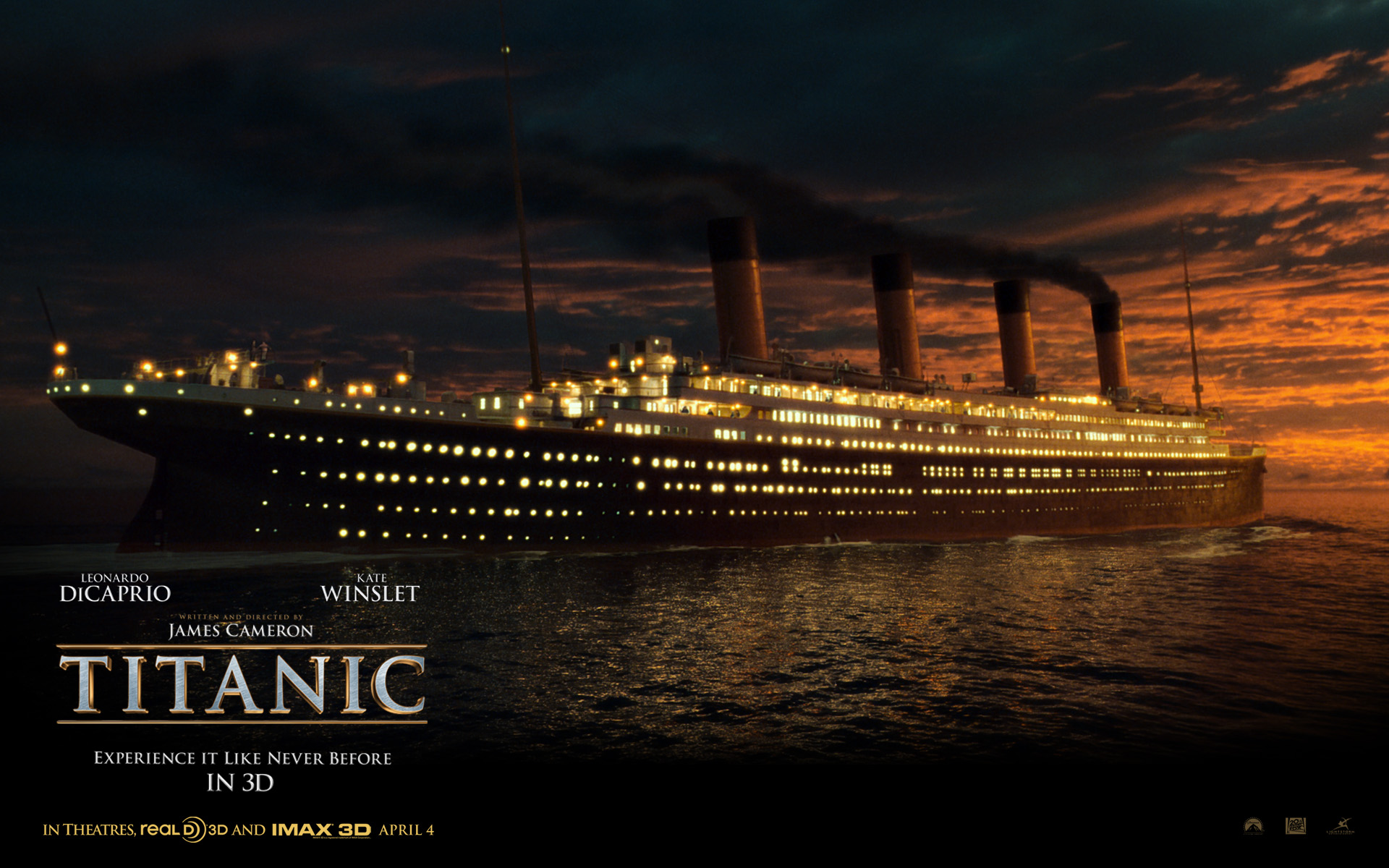
How James Cameron Flooded Titanic’s Grand Staircase
⚡ Quick Facts — Titanic Grand Staircase Flood
- 🚢 Scene: Grand staircase flood during the sinking sequence in Titanic (1997)
- 🎬 Director Driving It: James Cameron — insisted on a practical, high-volume water dump to capture real shock
- 📍 Location: Built and shot at Fox Baja Studios, Rosarito, Mexico, inside a controlled tank complex
- 🛠️ Set Purpose: Staircase was engineered as a single-use or near one-take set because the water would destroy finishes and dressing
- 💦 Water Source: Filtered Pacific seawater pumped from the facility’s main tank system, not warm studio tap
- ❄️ Water Temp: Reported roughly 50–65°F on flood days to help get real breath-catch reactions
- 📸 Cameras: Multiple units in waterproof housings to guarantee coverage because the set could not easily be reset
- 🛟 Safety Net: On-camera and just-out-of-frame rescue divers stationed along stairs, landings, and doors to grab anyone pulled under
- 🎭 Cast Briefed: Actors and extras were told “this will flood fast,” but not always the exact second the valves would open to protect spontaneity
- 🧥 Wardrobe Challenge: Heavy 1912 wool, leather, and long dresses absorbed seawater fast, doubling weight and increasing slip/drown risk
- 🪑 Secondary Hazard: Loose furniture and set dressing could ride the current, so many pieces were tied or braced, with divers ready if they broke free
- 📐 Engineering: Hidden steel structure behind the ornate wood ensured the staircase could survive the impact long enough to finish the take
- 🖥️ VFX Link: Practical water plate gave Digital Domain a realistic base to extend with extra bodies, spray, and cold breath in post
- 🧊 Performance Goal: Cameron wanted genuine “cold shock” faces to match survivor accounts of how fast Titanic’s interiors turned lethal
- ⏱️ Reset Difficulty: Because of water volume and damage to dressing, repeating the exact gag would have been slow and expensive — another reason to roll multiple cameras
- 🧑⚕️ Medical On Standby: Hypothermia checks and warm-up areas were prepped off camera due to cold seawater and long shoot days
- 🏗️ Part of a Bigger Plan: The flood was designed to cut seamlessly with tilted corridor sets and exterior sinking shots so the audience feels the ship losing level in real time
- 🏆 Legacy: Often cited in making-ofs as the clearest proof of Cameron’s “do it for real, then enhance it” philosophy — a template for later large-scale water work
🚢 Titanic — The Day Cameron Really Flooded the Set
How James Cameron Turned a Pretty Set Into a One-Take Disaster
Real Pacific water. A sacrificial staircase. Divers everywhere. One chance to capture honest panic.
Production Timeline · Grand Staircase Flood
- 1 Research & Wreck Dive: Cameron shoots the real Titanic wreck in 1995 and decides the dramatization must feel just as cold and sudden.
- 2 Set Build: Art department constructs a full ornate staircase in Rosarito with a hidden steel backbone specifically rated for a high-volume water dump.
- 3 Plumbing & Safety: Effects team rigs an overhead dump system (tens of thousands of gallons) and places dive teams in and around the room; exits and camera wells are protected.
- 4 Cast Brief: Actors and extras are told this is a live flood. They are shown where to go, who to grab, and told to stay in the moment because it will not be reset.
- 5 Action: Cameron rolls multiple cameras, calls the dump, and the staircase is hit with filtered, cold seawater from the Baja tank. Real slips and real screams stay in the final cut.
- 6 Aftermath: The set is wrecked as expected. Safety pulls a few people out. Editorial favors the first shocked reactions and builds the sinking montage around them.
Key Players
- 🎬 Director: James Cameron
- 🧭 Producer: Jon Landau
- 💦 Special Effects Lead: Physical water crew in Rosarito tank
- 🛟 Water Safety: On-camera rescue divers
- 🎥 Cameras: Multi-cam waterproof housings
- 🎭 Cast: Winslet, DiCaprio, large extra pool in 1912 wardrobe
Water & Environment
- 🌊 Filtered Pacific seawater
- ❄️ Reported ~50–65°F on flood days
- 🏗️ Set engineered for 1 high-volume hit
- 💡 Lit to read as North Atlantic interiors
- 🎛️ Dump controlled from effects platform
Risks Controlled
- Floating furniture → tied/braced where possible
- Slippery steps → divers off-camera
- Heavy wardrobe → performers pre-briefed
- Single-use set → multiple cameras
- Cold shock → medic on standby
Why Cameron Insisted on a Real Flood
⚙️ Real Physics
He wanted the staircase to lose the fight. Real water knocks people sideways, fills coats, and turns props into hazards. That randomness sells terror.
📷 Real Reactions
He did not tell cast the exact second the water would hit. Shocked faces and frantic grabs are not performed. They are what people do when cold water arrives early.
🖥️ Real + Digital
Practical water gave Digital Domain something to extend. They could add breath, extra bodies, and a bigger ship because the base plate was already believable.
“If you brace, you act. If you do not brace, you react. I wanted the reaction.”
“You cannot fake two hundred people getting hit by cold water at the same time.”
Scene Anatomy · Grand Staircase Flood
- Pre-roll: Cameras locked, divers ready, cast in position.
- Glass break: Overhead rig releases seawater through the ceiling/dome.
- Impact zone: Water strikes high steps first, splays sideways, and sweeps extras.
- Furniture drift: Tables, chairs, and costume trains begin to float or swing.
- Safety pull: Divers grab anyone trapped or off-mark, out of frame.
- Cut & protect: Set is no longer pristine; coverage moves to inserts and closer corridor work.
Myth vs Fact
- Myth: It was room-temperature studio water.
- Fact: It was filtered seawater from the Baja facility and colder than comfort.
- Myth: They did this take many times.
- Fact: The staircase was a near one-and-done because the water would destroy it.
- Myth: Actors were not warned.
- Fact: They were safety-briefed but not always told the exact timing.
Safety Engineering
- On-camera rescue divers in black
- Multiple cameras to avoid repeats
- Costume tests to see water load
- Medic & hypothermia watch
- Director on comms with effects
🌊 Section 1 · Why Cameron Wanted Real Water and Real Panic
He wanted the audience to believe the ship was actually dying

James Cameron came into Titanic right after diving to the real wreck in 1995. Down there he saw chairs and bathtubs and chandeliers still sitting in cold water after eighty years. That image stayed in his head. He promised the studio a love story that would play worldwide but in his mind he was still the guy who had just filmed the actual ship. If the third act of the feature did not feel that real then the movie would not land. So he decided the water could not be faked. Actors had to meet it for real.
The Baja facility in Rosarito was how he pulled it off. They had huge filtered Pacific seawater tanks, steel framed interiors that could be built high, and valves that could dump tens of thousands of gallons in seconds. His plan was to shoot the dialogue dry, lock the camera, then flood the set and cut those two plates together so the shock stayed in the eyes. That is why the staircase flood and the corridor runs feel so alive. It is mostly people reacting and not performing.
“I was not interested in people miming terror. I wanted the water to take the room away from them.”
“If the audience can tell it is warm studio water they will not lean forward. I wanted them to lean forward.”
How Titanic was filmed is a feat of modern engineering, capital, technology, and will on behalf of James Cameron and the crew. If you want to explore everything that made it crazy and special. Read more on how titanic was filmed.
🎭 Section 2 · What He Told the Cast and How He Planned to Shock Them

Safety came first, surprise came right after
Nobody was tricked about the kind of movie they had signed up for. Cameron told the principals and the stunt team this picture ends wet. Divers will be with you. Medics will be with you. Oxygen is right off camera. Background performers were walked through exits and told to find the diver in black if anything grabbed them. Stunts got diagrams of every room because those 1912 wool and leather costumes would get heavy as soon as they soaked.
What he did not always share was exact timing or exact volume. He liked to open the valves a second earlier than people expected so the first frames of the take are honest shock. You can see it in the corridor shots when people hunch and throw an arm up. That is not plan. That is reflex. Kate Winslet talked about how cold and bruising those days were but also said the real water made it feel believable. Leonardo DiCaprio remembered that you could not zone out because at any moment Cameron could say this one is live.
“If you brace you act. If you do not brace you react. I wanted the reaction.”
“I told them you are never out there alone. If the water wins a diver wins faster.”
🚨 Section 3 · The Flood Day, Real Dangers, Water Temp and Sea Water

One take for the staircase, real injuries avoided by inches
The loudest day was the grand staircase dump. Art and construction built the showpiece. Effects rigged roughly ninety thousand gallons over it. Cameras were wrapped. Divers waited just out of lens. Everyone knew the set would be wrecked so they had to get it in one. When Cameron called action the glass broke and a wall of Baja seawater came straight down the steps. You can actually watch extras lose their footing and grab for whatever is closest.
This was real Pacific seawater that had been filtered on site. Crew accounts put the water in the fifty to mid sixties range depending on time of day. That is cold enough to steal your breath and make you shout even if you know it is coming. Cameron liked that. He wanted the first sound on the track to be people losing air so the audience would believe it. The danger was not just drowning. Fast water turns furniture into weapons. A few set pieces broke loose and were pulled away by divers. Kate Winslet later said she came away bruised and at least once felt she could not surface because her coat caught. That is why so many divers were in that room.
This shoot was already on edge because of other safety scares. There was the chowder incident in Nova Scotia where a pot was spiked and people ended up in the hospital. There were nights in Mexico where extras slipped on wet stairs and had to be treated. So when it came time to flood the staircase they over staffed it. Cameron knew he was right on the line of what you can ask people to do.
“You cannot fake the sound of two hundred people hitting cold water at the same time.”
“Stunt paperwork on this film actually used the word drowning which tells you how serious the team took it.”
🛠️ Section 4 · The Tech That Let Him Do It Again and Again

Gimbals, motion control and digital breath
This was not just dumping water and hoping it looked good. It was engineered. The Rosarito complex had an open ocean tank for the wide exteriors and separate indoor tanks for interiors. Sets sat on very large hydraulic gimbals so Cameron could tilt an entire dining room or a section of deck and everything in it would slide in sync. Industrial pumps fed in seawater at fire department speeds. Because it was real Pacific water under hot Mexican sun it had the right weight and color on camera.
Cameras were often bolted to the same motion rigs as the sets so visual effects could extend the shot. Digital Domain then added more people, more splashes, and the cold breath so that the warm Mexican water would read as North Atlantic night. Miniatures at different scales handled break apart moments that were too risky to do full size. That mix of practical chaos in front of the lens and digital finish behind it is the reason the sequence still works and the reason later disaster films copied it.
“We let water do what water does then we finished the world around it.”
📚 Section 5 · Voices About It, From Actors to Producers

Every viewpoint circled the same idea
Actors said it was the hardest physical work they had done but also the reason the movie feels real. Kate Winslet said she was tired of being cold but also said Cameron was right. Extras remembered being knocked down and then grabbed by divers right away. Stunt people said the risk was clearly written down and the safety team backed them on every take. Producers said it was expensive and that the staircase could not be rebuilt if they missed. Cameron said that was fine because the scene was supposed to feel like something you only get once.
When they did the 2012 three dimensional rerelease everyone was still telling this exact story which tells you audiences love it. It is the purest James Cameron story. Thinks like an engineer. Shoots like a documentarian. Demands like a captain. Protects like a diver. Then asks actors for a moment you cannot fake. That is why this particular movie fact is so sticky online. It matches what people see on screen.
🟦 Titanic (1997) — Grand Staircase Flood Trivia
1) What interior did Cameron choose to flood for real?
- The first-class grand staircase
- The wireless room
- The cargo hold
- The boiler room
2) Where was this flood sequence filmed?
- Fox Baja Studios, Rosarito, Mexico
- Pinewood Studios, UK
- Universal backlot, LA
- New York soundstage
3) What was Cameron’s main reason for a real water dump?
- To capture honest panic and cold-shock reactions
- To save money on VFX
- Because the pumps couldn’t be turned off
- Because the staircase couldn’t be lit otherwise
4) What kind of water did the production use?
- Filtered Pacific seawater from the Baja tanks
- Heated chlorinated pool water
- Truck-delivered river water
- CG water only
5) Why was the staircase treated like a one-take set?
- Because the water blast would destroy set dressing
- Because the actors were leaving that day
- Because there were no backup cameras
- Because the script cut the scene afterward
6) What temperature range did the cast say the water was?
- Around 50–65°F, noticeably cold
- 80–90°F, warm spa water
- 32°F, near freezing point
- Room temperature only
7) Why were divers placed just out of frame?
- To rescue anyone pulled under by the current
- To operate the Steadicam rigs
- To hold the staircase in place
- To feed lines to background actors
8) What extra hazard did the 1912 wardrobe create?
- Coats and dresses got heavy immediately when soaked
- They were too reflective for camera
- They melted under the lights
- They interfered with the sound mix
9) What did Cameron sometimes not tell the extras?
- The exact second the water would hit
- The name of the movie
- That the scene was being filmed
- That they were on camera at all
10) Why did the production roll multiple cameras at once?
- Because the flood couldn’t be repeated the same way
- Because they were testing 3D
- Because the studio required 10 angles per scene
- Because there was no editor assigned yet
11) What later allowed VFX to extend the scene?
- Real water plates shot in-camera
- Miniature-only versions
- Blue-screen staircase only
- Hand-drawn animation
12) Who was the director behind this flood sequence?
- James Cameron
- Steven Spielberg
- Ridley Scott
- Ron Howard
📖 Titanic (1997): Grand Staircase Flood FAQs
Why did James Cameron actually flood the grand staircase set?
Cameron wanted the sinking to feel like a beautiful room being ripped away in seconds. A real water dump gives real physics, real shock, and real scrambling. He did not want actors pretending to panic. He wanted water to make them panic.
Where was the flooded staircase scene filmed?
It was shot at Fox Baja Studios in Rosarito, Mexico. That complex was built so Titanic could use massive tanks of seawater and full-size interiors that could be safely flooded on camera.
What kind of water did they use?
They used filtered Pacific seawater from the studio’s tanks. Using the tank system let them control volume, direction, and speed so the blast would look violent but stay inside the safety plan.
Was the water really cold?
Yes. Cast remember it being in the 50–65°F range. That is cold enough to steal breath and create genuine gasps which is exactly what Cameron wanted to see when the doors blew in.
Did Cameron tell the cast the exact second the water would hit?
They were fully briefed on safety but not always on the precise timing. Cameron liked getting first-look reactions because people do not act cool when a wall of cold water hits them unexpectedly.
Why was it treated like a one-take or near one-take scene?
The flood was going to wreck the staircase dressing, scatter furniture, and soak everything. Resetting all of that to picture-perfect Titanic luxury would take too long, so they rolled multiple cameras to capture everything in that single big dump.
How did they keep everyone safe during the flood?
Divers were staged just off camera, medical was standing by, and extras were shown escape routes. Heavy props were tied down so they could not slam into people. The idea was real water plus real rescue right there in the room.
What made the scene extra dangerous besides the water?
Period 1912 wardrobe got heavy as soon as it was soaked. The staircase got slick. Floating furniture could be pushed by the current. That is why you hear cast talk about bruises and being pulled clear by divers.
Why did they still use visual effects if they flooded it for real?
Practical water gave them a believable base plate. VFX then extended the room, added more chaos, and tied the interior flood to wider shots of the ship going down so it all felt like one disaster, not separate sets.
How did Cameron’s experience on The Abyss help here?
On The Abyss he learned that audiences spot fake water instantly and that actors behave differently in real water. Titanic is that lesson at scale: build the set, flood it for real, protect your people, and enhance in post.
Why does this scene get talked about so much in Titanic retrospectives?
Because it is the clearest proof that Titanic was not just CGI. They built a lavish Edwardian space and then actually let the ocean take it. That story sticks in every behind-the-scenes interview.
What Titanic products make sense to link under this FAQ?
Titanic 4K or anniversary Blu-ray with BTS, James Cameron’s Titanic making-of book, Ghosts of the Abyss, a Titanic staircase or sinking scene print, Heart of the Ocean replicas, and an RMS Titanic model kit. All of those directly connect to this flooding discussion.
📚 Titanic (1997) — Flood Scene / BTS Affiliate


📚 Titanic Grand Staircase Flood — References (APA)
Production & Special Effects
📄 American Society of Cinematographers. (1998, February). Sinking the unsinkable: Filming James Cameron’s Titanic. American Cinematographer. https://theasc.com/
📄 Parisi, P. (1998). Titanic: James Cameron’s illustrated screenplay. Newmarket Press.
📄 Cinefex. (1998). Titanic (Issue 72). Cinefex Publications. https://www.cinefex.com/
📄 VFX Voice. (2017, December). Revisiting the VFX of Titanic. VFX Voice. https://www.vfxvoice.com/
📄 Film Sound. (1998). Creating Titanic’s disaster soundscape. FilmSound.org. https://filmsound.org/
Director, Cast & Producer Commentary
📄 Cameron, J. (1998). Titanic [DVD audio commentary]. Paramount Pictures / 20th Century Fox.
📄 Winslet, K. (1997, December 21). Kate Winslet on shooting in cold water [Interview]. Los Angeles Times. https://www.latimes.com/
📄 Landau, J. (2017, December 5). Producing Titanic [Interview]. The Hollywood Reporter. https://www.hollywoodreporter.com/
📄 Paxton, B. (Narrator). (2003). Ghosts of the Abyss [Documentary film]. Walt Disney Pictures / Walden Media.
High-DA News / Magazines
📄 Maslin, J. (1997, December 19). Film review: A spectacle of lost love and found courage. The New York Times. https://www.nytimes.com/
📄 Horn, J. (1997, December 14). A $200-million gamble on a doomed ship. Los Angeles Times. https://www.latimes.com/
📄 Travers, P. (1997, December 22). Titanic. Rolling Stone. https://www.rollingstone.com/
📄 James, C. (1998, January). How Titanic was nearly sunk. Time. https://time.com/
📄 BBC News. (1998, February 10). The making of Titanic. BBC. https://www.bbc.com/news
Trade & Industry
📄 Variety. (1997, December 11). Titanic sets sail after long delay. Variety. https://variety.com/
📄 The Hollywood Reporter. (1997, December 15). Fox’s Baja facility makes Titanic possible. THR. https://www.hollywoodreporter.com/
📄 Entertainment Weekly. (1998, January 9). Titanic: Building the unsinkable. EW. https://ew.com/
Historical & Contextual
📄 National Geographic. (1998, April). Return to the Titanic. National Geographic. https://www.nationalgeographic.com/
📄 Smithsonian Magazine. (2012, April 12). RMS Titanic: Myths, mysteries, and James Cameron’s obsession. Smithsonian. https://www.smithsonianmag.com/
Awards & Preservation
📄 Academy of Motion Picture Arts and Sciences. (1998). 70th Academy Awards: Titanic. https://www.oscars.org/oscars/ceremonies/1998
📄 British Academy of Film and Television Arts. (1998). BAFTA Awards: Titanic. https://www.bafta.org/awards
Anniversary & Rerelease Coverage
📄 Vanity Fair. (2017, December 1). James Cameron revisits Titanic 20 years later. Vanity Fair. https://www.vanityfair.com/
📄 The Guardian. (2017, December 7). How Titanic changed blockbuster filmmaking. The Guardian. https://www.theguardian.com/
Technical & Studio Sources
📄 20th Century Fox. (1997). Titanic: Production notes. 20th Century Fox Press Site.
📄 Digital Domain. (1998). Titanic: Digital enhancements for sinking sequence. Digital Domain Production Notes. https://digitaldomain.com/
After the grand staircase flood… listen to the real Titanic
You just read how Cameron flooded the set. These 3 audiobooks cover the real ship, the rescue, and even a “raise her” adventure.

The Girl on the Carpathia
Carpathia POV, rescue, and New York inquiry vibe — for readers who loved Titanic’s human scenes.
View audiobook →
Raise the Titanic!
Cold War “what if we lifted her?” — perfect counterpoint to your 1997 Cameron production piece.
View audiobook →
The Secrets of the Titanic
First-hand dives, wreck mapping, artefact recovery — the real-world version of what the film evokes.
View audiobook →This section contains affiliate / commercial links across our network.
Love movie facts? Check out our ultimate guide for more!