Mark Ruffalo Brain Tumor: The Crazy Dream That Led to Diagnosis
Did Mark Ruffalo Have a Brain Tumor? (Quick Answer)
Yes—Mark Ruffalo has said he had a benign brain tumor. He’s described it as an acoustic neuroma (also called a vestibular schwannoma)—a noncancerous tumor that forms on the nerve involved in hearing and balance. Ruffalo has also shared that a vivid dream pushed him to get checked, leading doctors to find the tumor behind his ear. After surgery, he has said he experienced temporary facial paralysis and hearing loss in one ear, which improved over time.
- Was it cancer? No—he has described it as benign (noncancerous)
- Diagnosis name: Acoustic neuroma (vestibular schwannoma)
- How it was found: He says a vivid dream led him to get checked
- After surgery: Temporary facial paralysis + hearing loss in one ear (per Ruffalo)
⚡ Quick Facts — Mark Ruffalo
- 👤 Full Name: Mark Alan Ruffalo
- 🎂 Birth Date: November 22, 1967
- 📍 Birthplace: Kenosha, Wisconsin, USA
- 🎓 Education: Stella Adler Conservatory (Los Angeles)
- 🎬 Occupation: Actor, director, producer, activist
- 🚀 Breakthrough: You Can Count On Me (2000)
- 🟩 Major Franchise: Marvel Cinematic Universe (Bruce Banner / The Hulk)
- 🏆 Notable Awards: Primetime Emmy; Screen Actors Guild; BAFTA; three Oscar nominations
- 🧠 Health Journey: Acoustic neuroma diagnosis (2001); temporary facial paralysis; recovered
- 💍 Personal Life: Married to Sunrise Coigney (since 2000); three children
- 🌎 Activism: Environmental advocate; anti-fracking; clean water initiatives
- ⭐ Known For: Humility, warmth, and social-justice advocacy
🧠 Mark Ruffalo’s Brain Tumor Journey — Timeline (Infographic)
This step-by-step timeline shows how a dream led to a diagnosis—and ultimately a comeback.
- May 2001 — Premonition 💤: Ruffalo dreams he has a brain tumor; decides to get tested.
- Next day — On-set doctor ⚕️: While filming The Last Castle, the set medic orders imaging.
- Diagnosis 🩻: MRI reveals a benign acoustic neuroma behind his left ear.
- Career pause 🎬: Turns down Signs to focus on treatment.
- June 2001 — Surgery 🏥: High risk of hearing loss/facial paralysis; proceeds with operation.
- 2001–2002 — Recovery 🚶: 10 months of facial paralysis and balance work; daily walks become therapy.
- 2003 — Return 🌟: Gradual on-camera comeback as movement returns.
- 2012 — Breakthrough 💥: Cast as Bruce Banner/The Hulk in The Avengers.
- Today 💪: Thriving career; advocate for resilience and listening to your body.
🧠 Mark Ruffalo’s Brain Tumor Story: Fact, Perseverance, and Recovery
Fact: In May 2001, just weeks before the birth of his first child, actor Mark Ruffalo had a dream that he had a brain tumor.
Mark Ruffalo is well known for his versatile roles in movies such as The Avengers, Foxcatcher, Shutter Island, and the more recent Spotlight. But many fans don’t know the remarkable story behind the Mark Ruffalo brain tumor that nearly derailed his career—and changed his life forever. Ruffalo described a dream he had at around 3:00 AM in which he knew he “had a brain tumor” and felt compelled to see medical scans. He recalled this story, saying it was funny because he was dealing with an ear infection at the time. He said,
“It wasn’t even a voice. It was just pure knowledge, ‘You have a brain tumor, and you have to deal with it immediately.’”
On the set of The Last Castle (2001), Ruffalo went to see the onset doctor. He said,
“Listen, I really had a scary dream last night and you’ll probably think I’m crazy but um… But I think I have a brain tumor and I would really like to get it uh… checked out.”
The doctor replied,
“You are crazy, but you shouldn’t have to live with that fear. But I will order you an MRI tomorrow… or CAT scan tomorrow,” Ruffalo stated.
Went White As A Sheet: Mark Ruffalo Brain Tumor Dream Story Reveal
At that point, there were no signs of a Mark Ruffalo brain tumor or any symptoms of brain cancer. But when the test results came back, the nurse pulled the set doctor aside. After a tense conversation, the doctor returned, looking “white as a sheet,” and delivered shocking news:
“You have a mass behind your left ear the size of a small golf ball, and we don’t know what it is exactly, but you will need a MRI.”
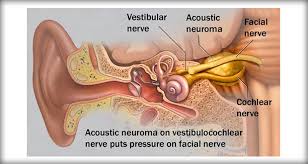
The startling news forced Ruffalo to turn down the role of Merrill Hess (played by Joaquin Phoenix) in Signs (2002) due to a benign tumor called acoustic neuroma (vestibular schwannoma). Often, this affects balance and coordination, with potential long-term memory issues. Doctors told him it was “the best of the worst” scenarios—likely not malignant.
The best course of action was surgery, as quickly as possible, because the tumor was on his facial nerve. He had already lost 7% of his hearing. Neurologists warned,
“You have 70% chance of losing your hearing, and 20% chance of losing your facial nerve.”
This could have ended his on-screen career if paralysis persisted. He later admitted to “shame” or “fear” about perceptions of the illness. He told EW.com,
Take my hearing, let me keep the face, and just let me be the father of this kid.
Ruffalo withheld the diagnosis from his wife until after their child was born, sharing it first with his best friend and his manager. When he finally told Sunny, she burst into tears, saying, “I always knew you were gonna die young!”
He didn’t want to voice his illness publicly because,
“People tend to make your tragedy, their tragedy.”
Post-surgery recovery was difficult. His father said Mark’s heart briefly stopped on the operating table. He remembers praying,
“Please do not take my face and please do not take my life.”
For ten months he battled facial nerve paralysis and balance issues. His mantra became,
“Keep moving!”
He walked miles daily to rebuild balance. Remarkably, significant facial movement didn’t return until month ten—well beyond the typical seven-month window.
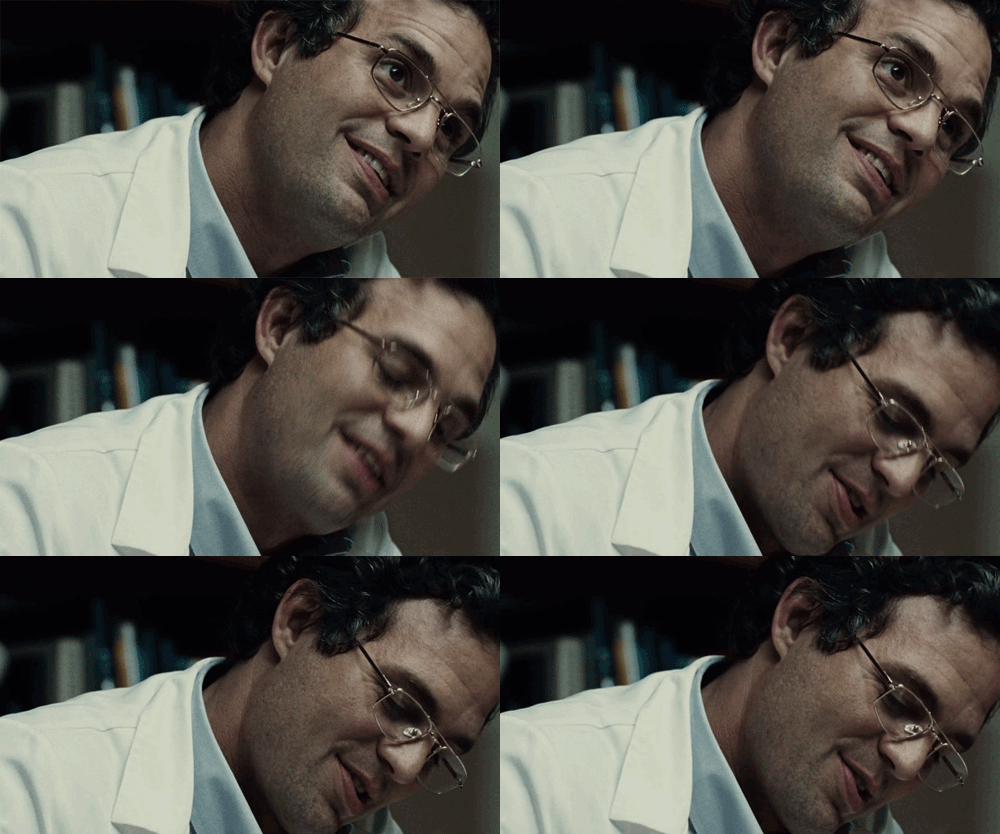
Emotionally, he feared the end of his career just as it was peaking. In time, the ordeal became “a blessing in disguise.” He moved upstate just before 9/11, and despite steroid side effects, he persisted. Over time he regained most movement and returned to work.
Today, Ruffalo is thriving—starring in blockbuster Marvel Avengers movies—and stands as a testament to resilience.
🎭 Celebrities Who Faced Brain Tumors — How They Won
Ruffalo’s experience resonates with several public figures who also faced brain tumors and returned to full lives and careers.
- Sheryl Crow (meningioma) 🎸 — Discovered a benign brain tumor in 2011 after memory lapses and migraines. Opted for monitoring and lifestyle adjustments. She continues to tour, record, and advocate for wellness.
- Maria Menounos (meningioma) 🎤 — In 2017, sought answers for dizziness and headaches; MRI revealed a benign tumor. Underwent successful surgery and returned to broadcasting and advocacy work.
- Scott Hamilton (pituitary tumor) ⛸️ — Diagnosed with a benign pituitary tumor (recurrences managed over time). Treated with surgery and targeted therapies; remains a prominent speaker and cancer research advocate.
- Elizabeth Taylor (benign brain tumor) 🎬 — Found in 1997 during evaluation for persistent headaches. Successfully removed via surgery; continued philanthropic work for years afterward.
Note: Tumor types, treatments, and outcomes vary widely; always consult medical professionals for personalized guidance.
📘 Mark Ruffalo Biography: From Humble Beginnings to Hollywood and Heroism
Mark Alan Ruffalo, born November 22, 1967, in Kenosha, Wisconsin, has become one of the most respected and multifaceted talents in Hollywood today. Raised in a blue-collar family—his father, Frank, worked as a construction painter, and his mother, Marie, was a hairstylist—Ruffalo’s early years were marked by frequent moves, eventually settling in Virginia during his adolescence. Though his family struggled at times, these formative years instilled in him a sense of resilience and empathy that would later define both his acting and activism.
Ruffalo’s interest in performing sparked during high school, where a production of West Side Story gave him his first taste of the stage. Inspired by storytelling, he moved to Los Angeles after graduation to study at the Stella Adler Academy of Acting & Theatre. There, he co-founded the Orpheus Theatre Company while juggling odd jobs—most notably bartending—to support his ambitions.
Breaking into Hollywood wasn’t easy. In the 1990s, he landed minor roles in low-budget films like Mirror Mirror 2: Raven Dance (1994) and The Dentist (1996), plus TV guest spots. His big break came when Kenneth Lonergan cast him in the off-Broadway hit This Is Our Youth (1996). That led to his breakout film role as Terry in You Can Count on Me (2000), opposite Laura Linney—drawing comparisons to a young Marlon Brando.
In 2002, he was diagnosed with an acoustic neuroma, a benign brain tumor. Surgery led to temporary facial paralysis, forcing a hiatus. He recovered and returned with renewed purpose.
His global breakthrough came in 2012 as Bruce Banner/The Hulk in Marvel’s The Avengers. He reprised the role in Age of Ultron, Thor: Ragnarok, and Endgame, while earning Oscar nominations for The Kids Are All Right (2010), Foxcatcher (2014), Spotlight (2015), and Poor Things (2023).
Beyond the screen, he champions social justice, climate action, and clean water. He directed Sympathy for Delicious (2010) and won an Emmy for I Know This Much Is True (2020). Married to Sunrise Coigney since 2000 and a father of three, he balances artistry, advocacy, and authenticity.
🏆 Awards & Achievements
Primetime Emmy Awards
- 2020 — Won: Outstanding Lead Actor (I Know This Much Is True)
- 2014 — Nominated: Outstanding Television Movie (The Normal Heart)
- 2014 — Nominated: Outstanding Supporting Actor (The Normal Heart)
Academy Awards (Oscars)
- 2011 — Nominated: Best Supporting Actor (The Kids Are All Right)
- 2015 — Nominated: Best Supporting Actor (Foxcatcher)
- 2016 — Nominated: Best Supporting Actor (Spotlight)
SAG / BAFTA / Globes / Others
- 2016 SAG — Won: Cast (Spotlight); 2015 SAG — Won: Male Actor (The Normal Heart)
- BAFTA nominations: Foxcatcher (2015), Spotlight (2016)
- Golden Globes: wins in 2015 & 2021; multiple nominations
- BAFTA TV (2022): Best International Programme — I Know This Much Is True
💚 Philanthropy & Activism
Mark Ruffalo is a dedicated activist and humanitarian. He is a co-founder of Solutions Project, which promotes clean, renewable energy and environmental justice. Ruffalo is also a vocal advocate for anti-fracking initiatives, clean water rights, and climate change awareness. He supports several organizations, including Water Defense and Artists Against Fracking, and frequently uses his platform to champion social and environmental causes.
✨ Three Very Interesting Facts
🤼 High School Wrestling Champ: Before his acting career, Ruffalo was a standout wrestler at First Colonial High School in Virginia Beach. He credits wrestling with the discipline and focus that helped him later in life.
🎭 Helped Shape His Breakout Role: He originated the role of Terry in Kenneth Lonergan’s stage play This Is Our Youth and later broke out on film with You Can Count on Me (2000).
🍸 Co-Founded a Theater Company While Bartending: In Los Angeles, he co-founded the Orpheus Theatre Company, acting, directing, producing, and writing—often while bartending to pay the bills.
🔴 Trivia Quiz
1) What is Mark Ruffalo’s middle name?
- Joseph
- Paul
- Alan
- Robert
2) Which Marvel character does Mark Ruffalo play?
- Iron Man
- The Hulk
- Captain America
- Thor
3) For which film did Mark Ruffalo receive his first Oscar nomination?
- Spotlight
- Foxcatcher
- The Kids Are All Right
- Zodiac
4) Which medical condition was Mark Ruffalo diagnosed with in 2001?
- Brain tumor (acoustic neuroma)
- Leukemia
- ALS
- Diabetes
5) What is Mark Ruffalo’s birthplace?
- Los Angeles, CA
- New York, NY
- Boston, MA
- Kenosha, WI
6) Which film did Mark Ruffalo star in alongside Jennifer Garner?
- 13 Going on 50
- 13 Going on 30
- 50 First Dates
- Just Like Heaven
7) What environmental organization did Mark Ruffalo co-found?
- The Solutions Project
- Greenpeace
- Sierra Club
- Water Defense
8) What was Mark Ruffalo’s debut film as a director?
- Begin Again
- The Normal Heart
- Foxcatcher
- Sympathy for Delicious
9) What character does Mark Ruffalo portray in “Spotlight”?
- Ben Bradlee
- Jack Dunn
- Michael Rezendes
- John Geoghan
10) In what year was Mark Ruffalo born?
- 1965
- 1967
- 1970
- 1972
11) Which actress co-starred with Ruffalo in “Just Like Heaven”?
- Reese Witherspoon
- Julia Roberts
- Kate Winslet
- Jennifer Connelly
12) For which HBO film did Mark Ruffalo win his first Emmy?
- Foxcatcher
- The Kids Are All Right
- Begin Again
- The Normal Heart
13) What is Mark Ruffalo’s ancestry?
- Irish and German
- Italian and French-Canadian
- English and Scottish
- Mexican and Spanish
14) Which of these films is NOT a Ruffalo role?
- Zodiac
- Shutter Island
- The Departed
- Now You See Me
15) How many children does Mark Ruffalo have?
- 2
- 3
- 4
- 1
16) Which 2019 miniseries did Ruffalo star in, playing twins?
- I Know This Much Is True
- Sharp Objects
- True Detective
- Mare of Easttown
17) What high school did Mark Ruffalo attend?
- Beverly Hills High
- St. Ignatius College Prep
- First Colonial High School
- Harvard-Westlake School
18) Which film deals with chemical contamination and corporate cover-up?
- Begin Again
- Eternal Sunshine of the Spotless Mind
- Infinitely Polar Bear
- Dark Waters
19) Mark Ruffalo replaced which actor as Bruce Banner/The Hulk?
- Edward Norton
- Eric Bana
- Bill Bixby
- Lou Ferrigno
20) In which film did Mark Ruffalo star with Keira Knightley?
- Begin Again
- The Normal Heart
- Shutter Island
- Foxcatcher
21) What is the name of Ruffalo’s wife?
- Sunrise Coigney
- Jennifer Garner
- Reese Witherspoon
- Scarlett Johansson
22) Ruffalo was nominated for an Oscar for which wrestling drama?
- The Fighter
- Warrior
- Foxcatcher
- Creed
23) Which neurological side effect did Ruffalo experience after surgery?
- Partial facial paralysis
- Blindness
- Loss of taste
- Seizures
24) Which movie features Ruffalo as magician Dylan Rhodes?
- The Prestige
- Now You See Me
- Zodiac
- Shutter Island
25) Mark Ruffalo received his first Tony nomination for which play?
- The Normal Heart
- The Price
- Awake and Sing!
- Awake and Sing! (duplicate)
Show Answer Key
- C – Alan
- B – The Hulk
- C – The Kids Are All Right
- A – Brain tumor
- D – Kenosha, WI
- B – 13 Going on 30
- A – The Solutions Project
- D – Sympathy for Delicious
- C – Michael Rezendes
- B – 1967
- A – Reese Witherspoon
- D – The Normal Heart
- B – Italian and French-Canadian
- C – The Departed
- B – 3
- A – I Know This Much Is True
- C – First Colonial High School
- D – Dark Waters
- A – Edward Norton
- B – Begin Again
- A – Sunrise Coigney
- C – Foxcatcher
- A – Partial facial paralysis
- B – Now You See Me
- D – Awake and Sing!
Each letter matches the correct answer for the question number above.
❓ FAQs — Mark Ruffalo Brain Tumor (Dream, Diagnosis & Recovery)
🧠Did Mark Ruffalo have a brain tumor?
Yes. Ruffalo has said he had a benign (noncancerous) brain tumor—often described as an acoustic neuroma (also called a vestibular schwannoma).
💤Did a dream really lead to Mark Ruffalo’s diagnosis?
Yes—according to Ruffalo. He’s described having a vivid dream that pushed him to get checked, and doctors later found the tumor behind his ear.
🧾What kind of tumor was it (acoustic neuroma vs. vestibular schwannoma)?
They’re essentially two common names for the same condition. An acoustic neuroma is also called a vestibular schwannoma—a tumor that forms on the nerve related to hearing and balance.
🎗️Was Mark Ruffalo’s brain tumor cancer?
No. Ruffalo has described it as benign (noncancerous). That’s one reason many sources describe his case as a “benign brain tumor” rather than brain cancer.
🙂Did Mark Ruffalo have facial paralysis?
Yes, temporarily. Ruffalo has said the left side of his face was paralyzed after surgery and improved over time.
👂Did Mark Ruffalo lose hearing in one ear?
Yes. He has said he became deaf in one ear after surgery (often reported as the left ear).
🎬Did the tumor affect Mark Ruffalo’s roles (like Signs)?
Ruffalo has said the diagnosis affected his life and work decisions around that period, and the story is often discussed in relation to roles he considered at the time (including Signs in many retellings).
📍Where was the tumor located?
Ruffalo has described it as being behind his ear, which aligns with how vestibular schwannomas are commonly described (they form near the hearing/balance nerve pathway).
🕒When did Mark Ruffalo’s brain tumor happen?
Most accounts place the diagnosis and surgery in the early 2000s (often cited as 2001), with recovery and improvement over the months that followed.
🌍 Acoustic Neuroma & Brain Tumor Support (Trusted Orgs)
If you’re reading this story because of your own health journey, these organizations are good starting points for education and support:
- 🧠 Acoustic Neuroma Association (ANA) — Patient education + peer support. anausa.org
- 📖 American Brain Tumor Association (ABTA) — Guides, webinars, support groups. abta.org
- 🎗️ National Brain Tumor Society — Advocacy + community resources. braintumor.org
- 🏛️ NIH / NIDCD — Vestibular schwannoma fact sheets and education. nidcd.nih.gov
- 🇬🇧 NHS — Plain-language overview of acoustic neuroma. nhs.uk
📚 References (APA)
Primary source (interview / podcast)
📄 SmartLess. (2024, January 22). Mark Ruffalo (Episode 185) [Audio podcast episode]. Apple Podcasts.https://podcasts.apple.com/us/podcast/mark-ruffalo/id1521578868?i=1000641368228
Entertainment reporting (recap coverage)
📄 People. (2024, January 23). Mark Ruffalo recalls face being “totally paralyzed” after brain tumor. https://people.com/mark-ruffalo-recalls-face-being-totally-paralyzed-after-brain-tumor-8548154
📄 Entertainment Weekly. (2024, January 24). Mark Ruffalo had a dream about his brain tumor before his diagnosis. https://ew.com/mark-ruffalo-dream-brain-tumor-before-diagnosis-8549351
📄 E! Online. (2024, January 23). Mark Ruffalo shares how he predicted a past benign brain tumor. https://www.eonline.com/news/1393696/mark-ruffalo-shares-how-he-predicted-a-past-benign-brain-tumor
📄 Global News. (2024, January 25). Mark Ruffalo dreamed of brain tumour, then doctors found one behind his ear.https://globalnews.ca/news/10249678/mark-ruffalo-brain-tumour-dream-hearing-loss/
📄 Entertainment Tonight. (2024, January 23). Mark Ruffalo explains why he waited to tell his wife about his brain tumor. https://www.etonline.com/mark-ruffalo-explains-why-he-waited-to-tell-his-wife-about-his-brain-tumor-218448
📄 SELF. (2024, January 24). The unbelievable way Mark Ruffalo discovered a brain tumor the “size of a golf ball”. https://www.self.com/story/mark-ruffalo-brain-tumor
Authoritative medical overviews (definitions & symptoms)
📄 National Institute on Deafness and Other Communication Disorders. (2017, March 6). Vestibular schwannoma (acoustic neuroma) and neurofibromatosis. https://www.nidcd.nih.gov/health/vestibular-schwannoma-acoustic-neuroma-and-neurofibromatosis
📄 National Institute on Deafness and Other Communication Disorders. (n.d.). Vestibular schwannoma (acoustic neuroma) and neurofibromatosis [Fact sheet PDF]. Retrieved December 30, 2025, from https://www.nidcd.nih.gov/sites/default/files/Documents/health/hearing/VestibularSchwannoma-FactSheet.pdf
📄 Mayo Clinic Staff. (n.d.). Acoustic neuroma (vestibular schwannoma). Retrieved December 30, 2025, from https://www.mayoclinic.org/diseases-conditions/acoustic-neuroma/symptoms-causes/syc-20356127
📄 National Health Service. (n.d.). Acoustic neuroma (vestibular schwannoma). Retrieved December 30, 2025, from https://www.nhs.uk/conditions/acoustic-neuroma/
Major medical institutions & oncology references
📄 MD Anderson Cancer Center. (n.d.). Acoustic neuroma. Retrieved December 30, 2025, from https://www.mdanderson.org/cancer-types/acoustic-neuroma.html
📄 National Cancer Institute. (n.d.). Acoustic neuroma (SEER*Explorer glossary). Retrieved December 30, 2025, from https://seer.cancer.gov/seertools/glossary/view/551adb5de4b0bc5c16bdc146/
Clinical guidance & professional guidelines
📄 American Academy of Otolaryngology–Head and Neck Surgery. (2021, April 6). Clinical indicators: Acoustic neuroma (vestibular schwannoma) surgery. https://www.entnet.org/resource/clinical-indicators-acoustic-neuroma-vestibular-schwannoma-surgery/
📄 Congress of Neurological Surgeons. (n.d.). Guidelines for the treatment of adults with vestibular schwannoma. Retrieved December 30, 2025, from https://www.cns.org/guidelines/treatment-adults-vestibular-schwannoma/1-guidelines-treatment-of-adults-with-vestibular-s
Academic / clinical summaries
📄 StatPearls Publishing. (2023). Acoustic neuroma. In StatPearls. National Library of Medicine. https://www.ncbi.nlm.nih.gov/books/NBK470177/
📄 University of Washington Department of Neurological Surgery. (2017, May 8). Acoustic neuromas (vestibular schwannomas). https://neurosurgery.uw.edu/patients-and-family/what-we-treat/conditions/acoustic-neuromas-vestibular-schwannomas
📄 Gupta, V. K., et al. (2020). Vestibular schwannomas: What we know and where we are heading. Journal of Clinical Medicine. https://pmc.ncbi.nlm.nih.gov/articles/PMC7669921/
Patient support organizations
📄 Acoustic Neuroma Association. (n.d.). Acoustic Neuroma Association (ANA). Retrieved December 30, 2025, from https://www.anausa.org/
📄 American Brain Tumor Association. (n.d.). Acoustic neuroma. Retrieved December 30, 2025, fromhttps://www.abta.org/tumor_types/acousticneuroma/
📄 National Brain Tumor Society. (2025, April 22). Schwannoma.https://braintumor.org/brain-tumors/about-brain-tumors/brain-tumor-types/schwannoma/
Don’t miss our curated list of fun facts about movies—read the full article.