The Untold Saga: How Deadpool’s True Origin Story Leapt from Comic Books to Blockbuster Fame
Fact: The name ‘Deadpool’ is based off a rejected experiments program. The back story of the character Deadpool is pretty vague just like the person who plays the supervillain.
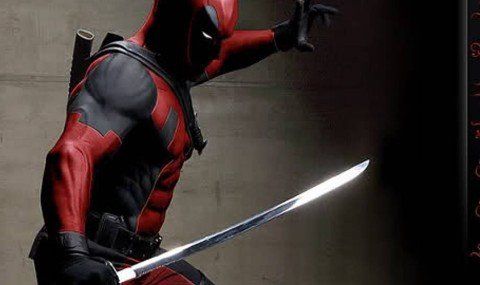
The character believes himself to be Wade Wilson, but is subject to speculation due to his inability to remember his personal history, due to a mental condition. The character is terribly disfigured and is a mentally unstable mercenary with accelerated healing factors. He comes from a list of marvel comic villains.
Comic Book Origins
Deadpool, whose real name isWade Wilson, first appeared in Marvel Comics’New Mutants#98 in 1991, created by writer Fabian Nicieza and artist Rob Liefeld.The initial concept drew inspiration from existing characters—his mercenary background echoes the dark, violent edge of 1980s comics, and his design was visibly influenced by the DC Comics villain Deathstroke (real name Slade Wilson), providing a meta-wink that foreshadowed Deadpool’s future as a parody antihero.
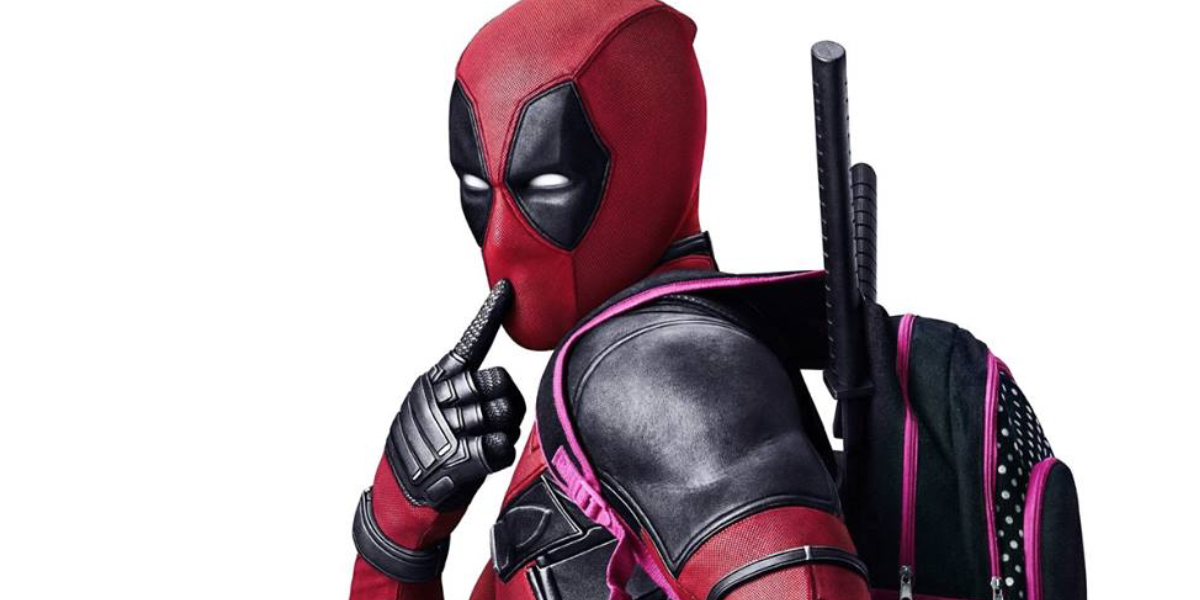
In hisbackstory, Wilson’s childhood trauma, including losing his mother and enduring an abusive father, led him to military service and then mercenary work.After being discharged from Special Forces, he is diagnosed with terminal cancer. Desperate for a cure, he volunteers forDepartment K’s(Canada’s government facility) experiments, which are affiliated with the infamousWeapon X program(responsible for Wolverine’s origins).Subjected to horrific tests under Dr. Emrys Killebrew, Wilson is injected with a healing factor derived from Wolverine’s DNA.This healing factor saves him from cancer but leaves his flesh grotesquely scarred—he survives the “dead pool,” a betting game among test subjects on who will die next, giving rise to his infamous moniker,Deadpool.
Emerging from the experience unhinged yet nearly immortal, Deadpool is distinguished by his “fourth wall-breaking” humor, unpredictable morality, and violent efficiency. He immediately became a breakout character, shifting from villain to antihero across appearances withX-Force,The Avengers, and his own popular series.
Journey to the Big Screen
Bringing Deadpool to film proved nearly as arduous as his comic-book transformation. Interest in adapting the character surfaced as early as 2000, when Artisan Entertainment announced a deal with Marvel to produce films based on newer comic properties, including Deadpool.ActorRyan Reynolds, long fascinated by the character, lobbied for the role after discovering a joke in the comics describing Deadpool as “Ryan Reynolds crossed with a Shar-Pei”.
Multiplestudio complicationsdelayed progress. At New Line Cinema in 2004, Reynolds and director David S. Goyer developed a script but couldn’t proceed due to Fox’s control over the broaderX-Menrights.Reynolds finally played Wade Wilson inX-Men Origins: Wolverine(2009), but this early screen version disappointed fans by deviating sharply from the comics—most notably, by giving Deadpool nonsensical extra powers and sewing his mouth closed.The backlash, however, set the stage for a film truer to the comics.
After the tepid response toWolverine, Fox greenlit a spin-off, pledging faithfulness to Deadpool’s tone and style. The movie languished in “development hell” until 2014, when test footage of Reynolds in full Deadpool mode—a snarky, ultraviolent action scene with trademark humor—was leaked online. Fan enthusiasm exploded, compelling Fox to fast-track production.
Deadpool (2016): Breakthrough and Legacy
Directed by Tim Miller and written by Rhett Reese and Paul Wernick, the 2016Deadpoolfilm finally delivered the true Deadpool: violent, grotesque, self-aware, and hilariously foulmouthed. Sticking closely to the comic origins—disfigured mercenary, terminal cancer, Weapon X experimentation, and revenge-driven rampage—the film stunned the industry as a low-budget, R-rated, hyper-violent comedy that shattered box office records, grossing over $780 million against a $58 million budget.
Deadpool’s release was lauded forReynolds’ performance, its faithful recreation of comic-book aesthetics, and its innovative marketing campaign that embraced the character’s “meta” persona.Its success paved the way forsequels—Deadpool 2(2018) andDeadpool & Wolverine(2024)—and influenced the tone of future superhero movies by proving audiences would embrace R-rated, irreverent content.Ultimately, Disney’s acquisition of Fox led to Deadpool’s integration into the Marvel Cinematic Universe, with the commitment to retain the trademark R-rated character.
Deadpool’s real-world journey from comic-book oddity to a global film icon mirrors his fictional tale: battered, deranged, but always impossible to kill—and absolutely unforgettable.
Don’t miss our curated list of fun facts about movies—read the full article.